The World of Musical Instruments

Musical instruments have shaped cultures, inspired generations, and remain at the heart of music across Australia and around the world. Explore their history, categories, and unique characteristics.

Explore Instruments

Music Through the Ages

From ancient wooden flutes to modern digital synthesizers, musical instruments have evolved alongside human civilization. Every instrument produces sound differently, creating unique tones, textures, and musical possibilities. Today, traditional and modern instruments continue to play an important role in education, performance, recording, and cultural expression.

Main Categories of Instruments

The four primary groups used in modern music education.

Guitar

String Instruments

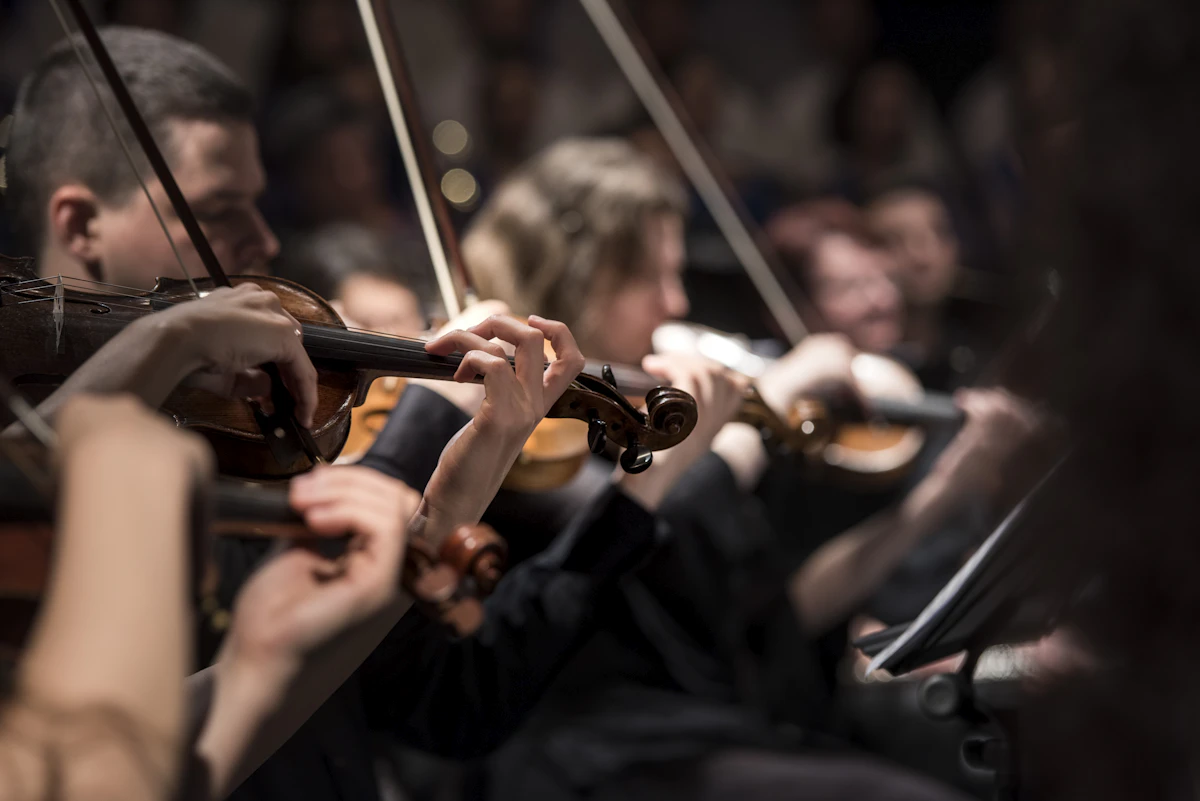
String instruments create sound through vibrating strings. Popular examples include guitars, violins, cellos and harps.

Saxophone

Wind Instruments

These instruments rely on moving air to produce sound. Flutes, clarinets, saxophones and trumpets belong to this family.

Drums

Percussion Instruments

Percussion instruments are played by striking, shaking or scraping. They provide rhythm and energy to musical performances.

Piano

Keyboard Instruments

Keyboard instruments offer a wide musical range and are widely used in classical, jazz and contemporary music.
Traditional Instruments

Traditional Instruments

Traditional instruments preserve cultural heritage and remain important symbols of identity across many regions of the world. In Australia, the didgeridoo is one of the most recognized Indigenous instruments, known for its distinctive resonant sound and historical significance.

Modern Music Technology

Electronic instruments have transformed music production. Synthesizers, digital pianos and electronic drum systems offer extensive sound design capabilities and are used in studios, live performances and educational settings.

Modern Instruments

Benefits of Learning an Instrument

Creativity

Develop artistic skills and explore personal expression through music.

Focus & Discipline

Regular practice encourages patience, concentration and consistency.

Coordination

Playing instruments helps improve timing, motor skills and coordination.

Lifelong Enjoyment

Music offers recreation, social engagement and continuous learning.

Quick Facts

  • String, wind, percussion and keyboard instruments form the foundation of most music ensembles.
  • The piano remains one of the most widely studied instruments worldwide.
  • Electronic instruments have become essential in modern recording and live performance.
  • Traditional instruments continue to play a key role in preserving cultural heritage.
  • Learning music can support listening skills, creativity and cognitive development.